Thanks For Visiting Fusion Marine at PME 2021
At PME 2021, Fusion Marine joined commercial mariners and technology professionals, ready to connect on end-to-end vessel and communications...
We provide solutions to an array of industries.
Supporting your global communications
Connecting your clients no matter where
Network management and proactive monitoring
Tailored solutions from concept to delivery
Bespoke applications for optimal efficiency
Technical Support
Supporting your global communication needs throughout your organization
On-Site Support
Supporting your global communication needs throughout your organization
4 min read
Network Innovations : Mar 12, 2026, 7:00:00 AM
.png)
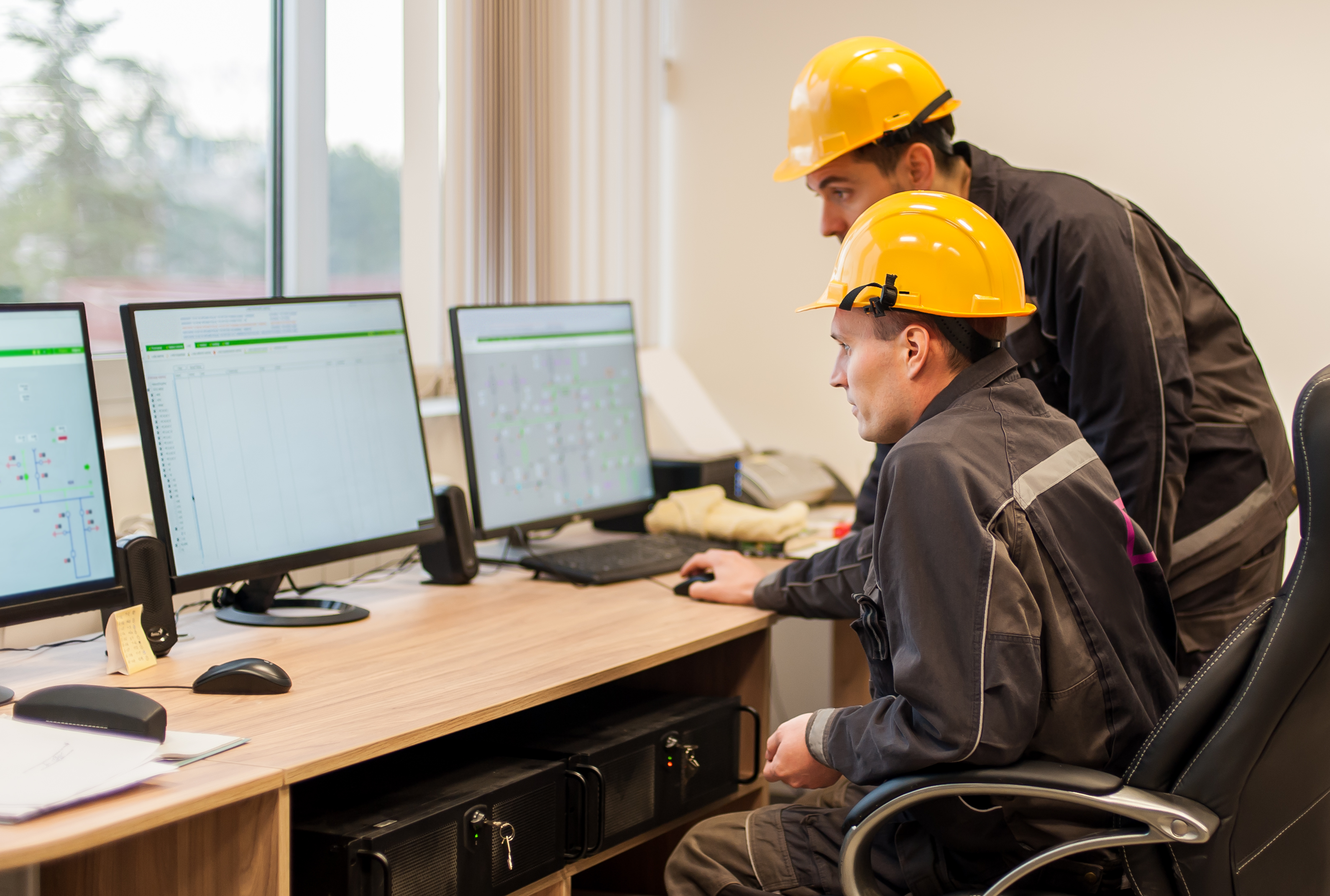
Industries that regularly operate in remote areas such as mining, energy, and maritime, rely on robust enterprise connectivity as their terrestrial infrastructure is continuously at risk of failing. When severe weather disrupts terrestrial infrastructure, crews that depend on stable connectivity can face internet and communication outages, leading to delays in productivity and potential safety risks.
Why Enterprise Communications Matter for Remote Operations
Enterprise communications are mission‑critical for remote industries where isolation, harsh environments, and high‑risk operations make reliable connectivity an essential part of everyday functions. Reliable connectivity links underground crews with control centers for real‑time monitoring that reduces accidents and keeps production moving. Offshore, resilient satellite communications sustain coordination and power digital vessel systems with always‑on coverage. With seamless information‑sharing, crews stay focused, safe, and productive.
Key Considerations for Enterprise Network Design
Communications infrastructure in these challenging areas must be able to endure and adapt to difficult conditions. Below are the core considerations every organization should prioritize when architecting communications for remote operations:
Reliability and Uptime
An enterprise network must deliver consistent uptime so that critical systems remain online at all times. These systems include situational awareness platforms, safety systems, navigation systems, and data feeds from mobile machinery.
Redundancy and Failover
Remote networks must be built with the expectation of harsh conditions and a high likelihood of outages. Redundant communications provide essential backup so that when terrestrial links fail, operations can continue uninterrupted. This can include hybrid architectures combining multiple technologies – such as wired, wireless, cellular, and satellite – or multi‑path, multi‑orbit systems that ensure continuous coverage. Fully integrated end‑to‑end satellite solutions also offer a reliable failover, maintaining mission‑critical connectivity when primary networks go down.
Bandwidth and Performance
Remote operations require high‑bandwidth, low‑latency networks to support online systems and growing data loads. As users and sensors scale, the network must maintain high throughput. High‑capacity satellite architectures with multi‑path optimization provide the bandwidth, resilience, and traffic distribution needed for precise, safe, real‑time operations.
Environmental Durability
Enterprise‑grade communications systems need to withstand high seas, rough winds, heavy rain and more. Satellite communications can avoid these harsh conditions as they operate outside of Earth, but close in orbit. They are not exposed to extreme weather on Earth, and are therefore a viable enterprise network solution for remote operations. Their proximity to Earth means that crews in any location around the world experience low latency and strong secure connections.
Security in Enterprise Network Infrastructure
An enterprise network needs to be secure to withstand intelligent cyber-scams that are increasing in today’s online world. This requires an approach grounded in zero‑trust principles, strong encryption, and continuous monitoring.
Zero Trust requires continuous verification of every user, device, and application before it can access the network. It creates a resilient environment so that data, operations, and reputations remain secure. Argus implements this scalable ‘Never Trust, Always Verify’ approach across any bearer.
End-to-end encryption ensures that even if data is intercepted, it remains unusable. It safeguards operational data from unauthorized monitoring across public and private networks.
Continuous monitoring allows for convenient threat detection so that intrusions found before they compromise safety systems, disrupt operations, or cause environmental incidents. In industries where minor disruptions can have cascading consequences, constant visibility and real‑time threat intelligence are key elements of a resilient and modern enterprise network.
Scalable Enterprise Networking Solutions
As organizations expand their remote operations (adding new rigs, exploration sites, mining pits, or vessels) their network infrastructure must scale just as efficiently. In remote industries, a well‑designed enterprise network allows companies to grow without compromising performance, security, or uptime. This can be achieved through fixed, hybrid, and mobile enterprise network solutions.
Fixed Networks: For capabilities that are not satellite-only (such as real‑time command and control and video streaming), fixed networks offer long‑term expansion with the organization. It becomes more cost‑effective over multi‑year lifecycles.
Hybrid networks: These blend multiple network types (satellite, LTE/5G, microwave, fiber, and private radio) into a single unified communications fabric. As operations expand, this architecture scales naturally because it isn’t limited to a single technology. Bandwidth can be increased and new rigs or vessels can be added instantly.
Mobile Networks: Portable satellite terminals and tactical network kits enable organizations to establish up new sites quickly. It’s simple to set up and benefits from automatic satellite acquisition, allowing for growing data needs in harsh environments.
Technologies Enabling Remote Enterprise Networks
Remote operations depend on communication technologies that enables resilient, scalable, and secure enterprise connectivity in the world’s harshest environments. These technologies include:
Frequently Asked Questions
How does harsh weather impact enterprise networks in remote operations?
Extreme weather can affect physical terrestrial infrastructure by damaging cables, towers, or ground‑based systems. This creates communication gaps for crews working in remote environments. To reduce this risk, organizations often incorporate satellite connectivity or hybrid networks that avoid weather‑induced failures and maintain consistent uptime.
What challenges do organizations face when scaling networks across expanding remote sites?
As sites grow, the network must support more users, additional machinery, and higher data demands. This requires infrastructure that can scale without reducing performance or reliability. Solutions such as hybrid networks, fixed systems, and mobile satellite setups help organizations adapt quickly as new rigs, pits, or vessels come online.
How do zero trust security principles support teams working in remote environments?
Zero trust security ensures that every user, device, and application is verified continuously, regardless of where they operate. This approach protects sensitive operational data from unauthorized access, especially when crews are dispersed across mines, offshore platforms, or vessels. It helps maintain a secure environment even in areas where connectivity relies on multiple network technologies.
Get in touch with a member of our team today and explore satellite internet for your business.

At PME 2021, Fusion Marine joined commercial mariners and technology professionals, ready to connect on end-to-end vessel and communications...

Today's workforce is mobile, unplugged, and requires high-performance connectivity. With multi-network integration, enterprises can overcome the...
Business Continuity and Disaster Recovery (BC/DR) have a higher profile than ever before. This calls for reflection on essential factors that can...